

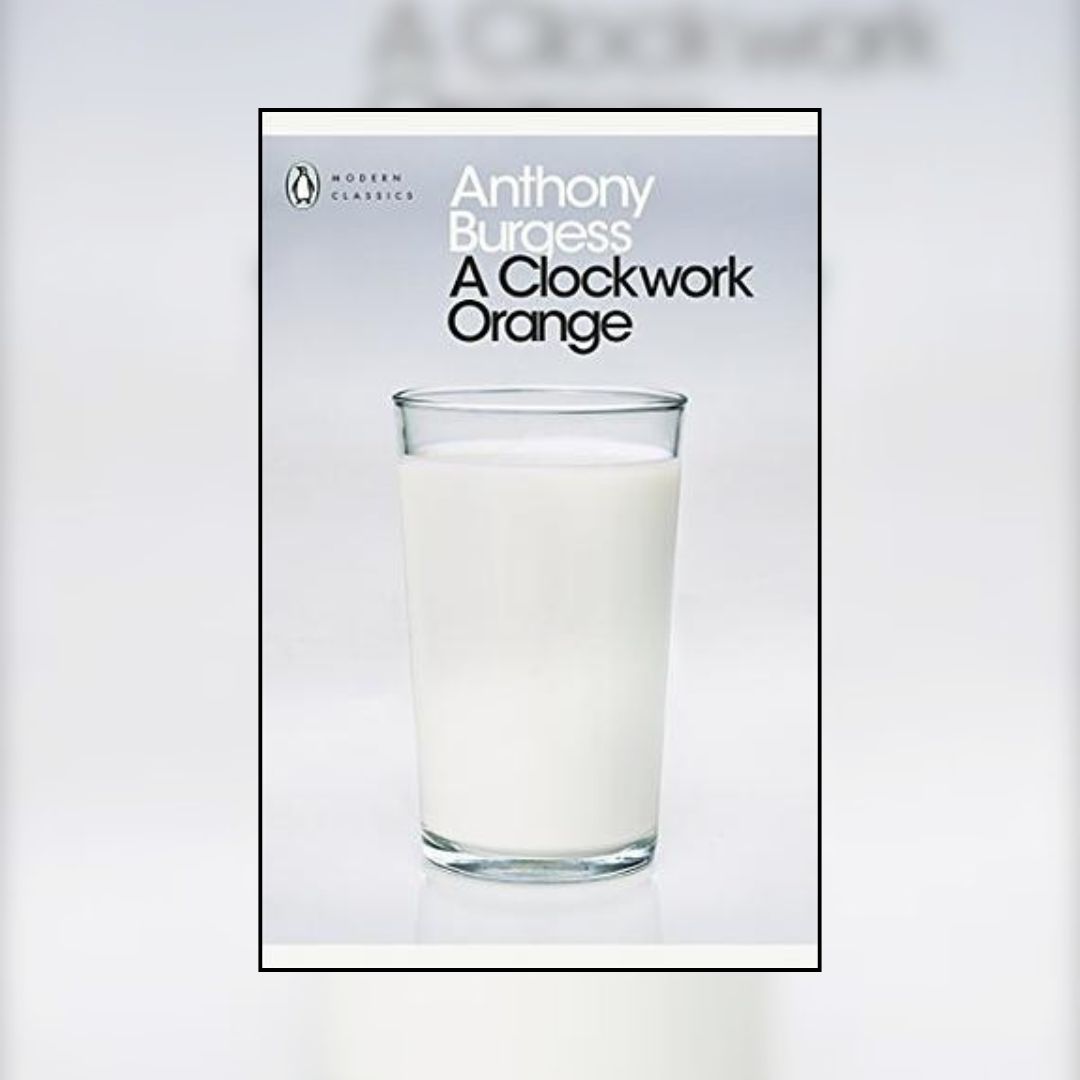
Fifteen-year-old Alex doesn’t just like ultra-violence – he also enjoys rape, drugs and Beethoven’s ninth. He and his gang of droogs rampage through a dystopian future, hunting for terrible thrills. But when Alex finds himself at the mercy of the state and subject to the ministrations of Dr Brodsky, and the mind-altering treatment of the Ludovico Technique, he discovers that fun is no longer the order of the day. The basis for Stanley Kubrick’s notorious 1971 film, A Clockwork Orange is both a virtuoso performance from an electrifying prose stylist and a serious exploration of the morality of free will.
I purchased a copy of this book for my own reading.
This is a novel that’s been on my radar for some time but I’ve never got around to reading it. While the purpose of my reading challenge this year has been to branch out and read things I normally wouldn’t, this seemed like an opportune time to try this one out.
I will caveat this review by stating that this is not a relaxing read, and certainly not one I’d recommend just before bed of an evening. It deals with tough subjects with frequent references to extreme violence of all kinds and even reference to suicide. However, it has its place in the wider context of the story.
The underlying themes around free will and determinism, and of violence and the impact on both those committing it and its victims are really well portrayed here. Does the need to make all citizens good and law abiding override the basic rights to free will? Forced conditioning of criminals might serve a benefit in protecting society at large, but does state mandated removal of free will lead to a slippery slope?
By no means an easy read, A Clockwork Orange is fascinating from a more theoretical perspective as we watch parts of the world having their lives determined in various ways for them.
My rating:

 Books and Beyond Reviews