

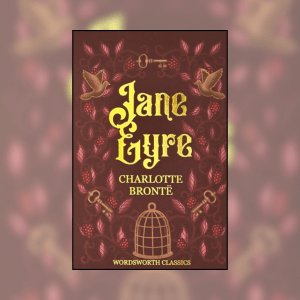
The orphaned Jane Eyre has emerged a fiercely independent young woman. As governess at Thornfield Hall, she’s found her first real home—though it stands in the shadow of the estate’s master, Mr. Rochester, and its haunted halls ring with maniacal laughter. For even the grandest houses have secrets.
As much a story about defying convention as it is about coming-of-age, Jane Eyre remains one of the most beloved novels in the English language. Both Gothic and Victorian in its influence and scope, it captures one woman’s determination to live life on her own terms—choosing courage over fear, while finding power in love and compassion.
I purchased a copy of this book for my own reading.
Continuing my alphabet reading challenge, the letter J presented an opportunity to read one of the icons of classic literature, Jane Eyre. I went into it expecting it to be a romance novel at its core, but my enjoyment of Dracula meant the gothic nature called to me, so I decided to give it a go.
I was immensely surprised by how much I enjoyed this book. Romance does play a core part in the story, but not to the extent I had assumed. More than just a romance novel, I found Jane Eyre to be a coming-of-age story (once again, not a favourite genre), but fused with the gothic settings, all things ballanced.
Throughout this book, I found a strong, determined young woman who knew her mind and was intent on improving her lot. She made for a fantastic narrator of her own story, and despite not getting a traditional happy ending, the book ended on a positive note for our titular character.
My rating:

 Books and Beyond Reviews